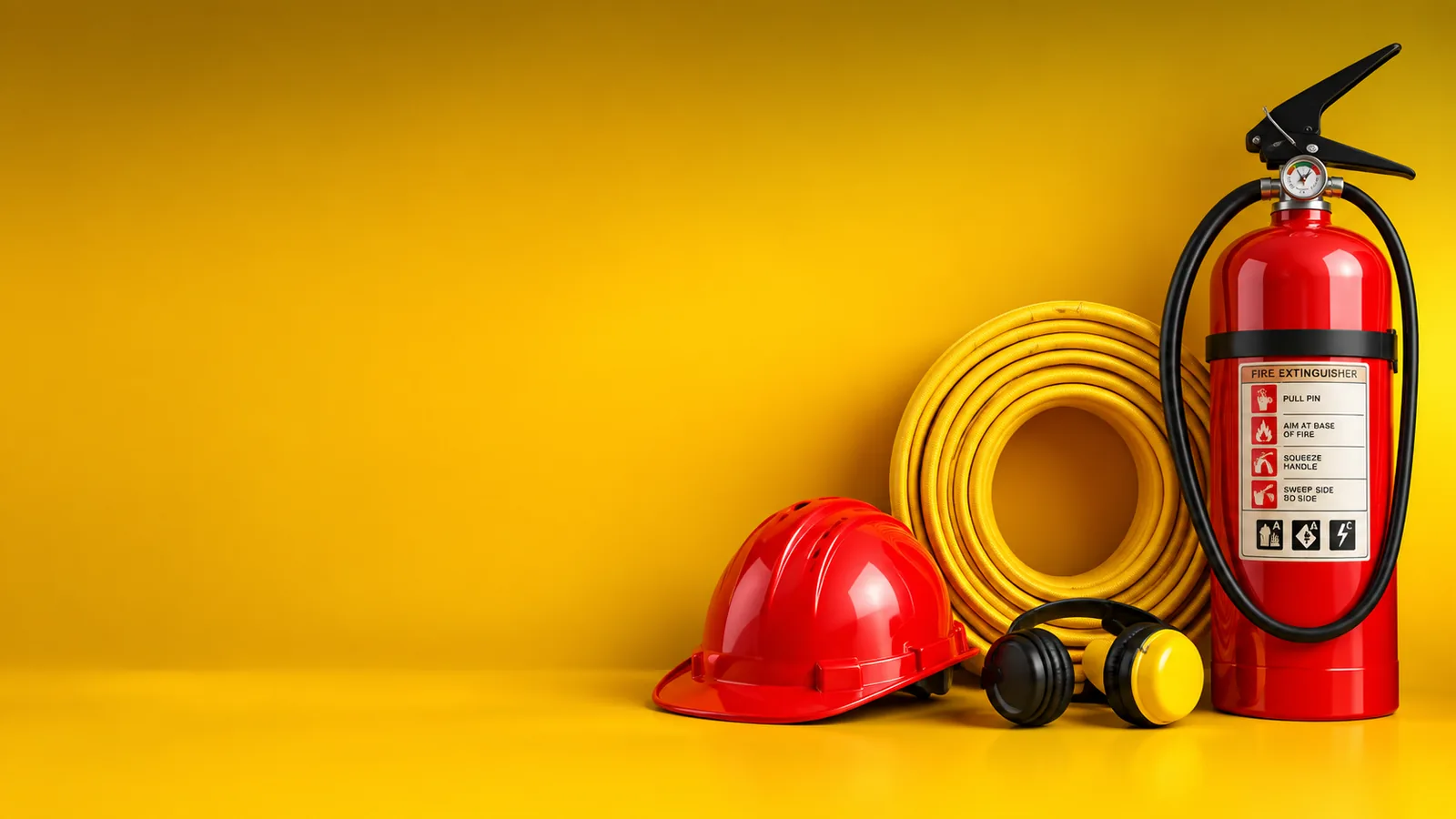
What does a Fire Warden do?
Many organisations appoint Fire Wardens or Fire Marshals, but the title itself provides little protection unless the role is clearly defined, adequately resourced and supported by training. Government fire-safety guidance recognises that employees with supervisory fire roles, including Fire Marshals and Wardens, require additional training appropriate to those responsibilities.
Exact duties vary between organisations, but a Fire Warden may help with:
- Fire-prevention awareness
- Monitoring obvious fire-safety issues
- Supporting evacuations
- Directing people towards appropriate exits
- Checking allocated areas where safe and appropriate
- Helping manage assembly arrangements
- Reporting evacuation status
- Supporting fire drills
- Raising concerns about blocked exits or damaged fire doors
A Fire Warden should understand the organisation’s emergency plan and their role within it.
How many Fire Wardens are needed?
There is no universal legal formula such as “one Warden for every 20 employees”. Numbers should be based on the organisation’s risk assessment and practical circumstances. Factors can include:
- Building size
- Number of storeys
- Layout
- Occupant numbers
- Shift patterns
- Working hours
- Annual leave
- Sickness
- Visitor numbers
- Vulnerable occupants
- Complexity of evacuation
A company that technically has four trained Wardens may have inadequate cover if three routinely work the same shift or all take leave at similar times. The key issue is effective coverage whenever the premises are occupied.
Fire Wardens should know the building
Good Fire Warden Training should relate to the premises. Wardens should understand:
- Alarm arrangements
- Escape routes
- Alternative exits
- Assembly points
- Fire doors
- Areas of higher risk
- People potentially requiring assistance
- Communication arrangements
- Relevant limitations on their role
Should Fire Wardens fight fires?
Their fundamental purpose is to support fire safety and evacuation, not to become firefighters. Where employees may be expected to use fire-fighting equipment, appropriate training should be provided. Government guidance requires necessary fire-fighting equipment to be properly installed, tested and maintained, and staff to be trained to use it where necessary.
Any extinguisher training should emphasise limitations, personal safety and the importance of maintaining an escape route. Evacuation and life safety take priority.
Wardens and drills
Fire drills provide an opportunity to test whether Wardens understand:
- Their designated area
- Sweeping arrangements
- Reporting procedures
- Assembly-point duties
- Communication routes
Following a drill, the organisation should ask what worked, what did not and what should change. That converts a drill from a ritual into a management tool. Stanford Global provides practical Fire Warden and Fire Marshal Training covering fire awareness, evacuation arrangements, fire doors, responsibilities and appropriate fire-extinguisher awareness.